
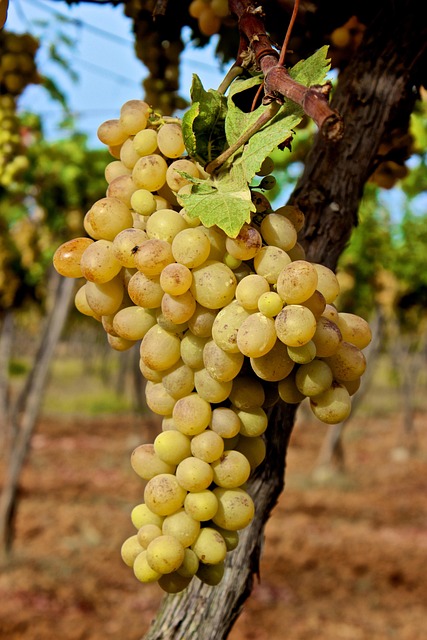
In California, especially Riverside County, vineyard assessment by a skilled Select Riverside CA vin inspector is crucial for legal compliance and wine quality. This involves land use planning, soil analysis, and pest management, adhering to state regulations (CDFA) and local guidelines. Regular inspections enhance grape quality, yield, and sustainability, fostering the region's competitive wine industry while meeting consumer demand for eco-friendly practices.
In California’s diverse landscapes, viticulture flourishes, particularly along the banks of its renowned rivers. However, ensuring the quality and health of these vineyards demands meticulous assessment. This is where a skilled Riverside, CA vin inspector plays a pivotal role, offering expertise that transcends mere inspection. Their keen eyes identify subtle nuances in soil composition, grapevines’ vital signs, and potential pathogens, all crucial for sustainable winemaking. This article delves into the art and science of vineyard assessment, highlighting the indispensable contributions of these professionals in nurturing California’s thriving wine industry.
- Understanding Vineyard Assessment Requirements in California
- Selecting the Right Riverside, CA Vin Inspector
- Comprehensive Inspection Process: From Start to Finish
- Ensuring Quality: Standards & Regulatory Compliance
Understanding Vineyard Assessment Requirements in California

In California, vineyard assessment is a crucial step for any wine producer aiming for legal compliance and high-quality standards. Understanding the specific requirements involves delving into both state-mandated regulations and local guidelines, especially in areas like Riverside County known for their vibrant wine industry. The Select Riverside CA vin inspector plays a pivotal role here, ensuring that vineyards meet not just minimal but also optimal standards.
Key aspects to focus on include land use planning, soil analysis, and vineyard management practices. California’s Department of Food and Agriculture (CDFA) outlines detailed legal requirements for vineyard establishment and maintenance, including permitted pesticides, water usage, and record-keeping. For Riverside County, specific considerations may arise due to its unique climate and geography, necessitating tailored inspection services that address local challenges. For instance, inspectors must assess the impact of region-specific pests like phylloxera root louse on vine health and compliance with integrated pest management (IPM) strategies.
Practical insights for vineyard owners involve staying informed about both state and county wine regulations. Compliance is facilitated by professional wine inspection services that offer expert guidance tailored to local conditions. Regular inspections are crucial not just for legal adherence but also for enhancing vineyard health, which directly influences wine quality. Data suggests that proactive management through regular assessments can lead to significant improvements in grape quality and yield over time. Therefore, beyond mere compliance, such assessments contribute to the overall sustainability and profitability of Riverside County’s thriving wine industry.
Selecting the Right Riverside, CA Vin Inspector

Selecting a skilled vin inspector for your Riverside, CA vineyard is a crucial step in navigating the complex landscape of California’s wine industry regulations. With stringent legal requirements and a thriving trade association network, choosing the right expert can streamline permits, ensure compliance, and even open doors to new opportunities within the state’s dynamic wine market.
When evaluating potential vin inspectors, look for professionals deeply rooted in Riverside’s specific viticultural nuances. Local experts possess an invaluable understanding of soil types, microclimates, and regional pest pressures, allowing them to provide precise assessments tailored to your vineyard’s unique characteristics. Consider, for instance, the diverse terroir across California’s wine regions—a factor that significantly influences grape quality and requires specialized knowledge to accurately evaluate.
Beyond technical proficiency, seek inspectors actively engaged with local and state wine trade associations. Membership in organizations like the California Wine Institute or regional vineyard cooperatives reflects a commitment to industry best practices and staying abreast of evolving legal requirements. These connections can prove invaluable when navigating permitting processes, accessing market insights, and fostering sustainable growth within Riverside’s competitive wine sector. For example, recent data from the California Department of Alcoholic Beverage Control highlights the escalating demand for wine-related permits, emphasizing the importance of strategic partnerships and expert guidance throughout the application process.
Comprehensive Inspection Process: From Start to Finish

A comprehensive vineyard assessment in Riverside, CA involves a meticulous inspection process that ensures wine quality assurance across every aspect of vineyard management. This rigorous evaluation encompasses everything from soil analysis to canopy management, grape maturity to pest and disease control. It’s not simply about checking boxes; it’s an in-depth examination designed to identify areas for optimization, ensuring the vineyard operates at peak efficiency and produces exceptional wine.
The process begins with a detailed review of historical data and records, providing a baseline understanding of the vineyard’s performance. Fieldwork then takes center stage, where a qualified vin inspector meticulously examines the vineyard floor, assessing soil health, nutrient levels, and pH balance – crucial factors influencing grape quality. They also carefully observe the canopy, analyzing leaf coverage, sun exposure, and potential shading effects on the grapes. This includes identifying and addressing issues like excess foliage or uneven shading which can impact both yield and wine characteristics.
For winery operational audits in Riverside, a comprehensive assessment extends beyond the vineyard itself to include facilities, equipment, and processes involved in winemaking. This involves inspecting storage areas, crushing facilities, fermentation tanks, and aging barrels, ensuring adherence to industry standards and best practices. The use of vineyard management software solutions plays a vital role here, streamlining data collection, analysis, and decision-making for optimal grape growing and wine production.
Throughout the inspection, the inspector offers practical insights and actionable recommendations tailored to the specific needs of each vineyard. This may include suggesting adjustments to irrigation practices, recommending specific wine quality assurance courses to enhance knowledge, or proposing targeted treatments for any identified pest or disease pressures. The ultimate goal is not just a pass/fail outcome but a detailed report that empowers grape growers to make informed decisions, elevate their vineyard management strategies, and ultimately produce exceptional wines.
Ensuring Quality: Standards & Regulatory Compliance

Maintaining the highest standards is paramount for California’s vibrant vineyard industry. Ensuring quality involves a multifaceted approach, encompassing both regulatory compliance and adherence to best practices in winery sustainability consulting California. Select Riverside, CA vin inspector plays a pivotal role in this process, leveraging their expertise to assess vineyards across the state. These professionals are equipped to evaluate not only wine quality but also the environmental impact of vineyard operations.
For instance, food safety for vineyards in Riverside, CA is crucial. Inspectors scrutinize practices related to pest management, water usage, and soil health—all key factors influencing both wine quality and sustainability. Winery sustainability consulting California has become a significant focus as consumers demand environmentally responsible practices. A study by the California Wine Institute revealed that 85% of Californians prefer sustainable wines, underscoring the industry’s need to adapt. Effective inspection involves assessing these aspects through comprehensive training in wine quality assurance courses. Such courses equip inspectors with the knowledge to identify and mitigate potential risks, ensuring compliance with stringent state regulations.
Moreover, regular inspections foster a culture of continuous improvement among vineyard owners. By providing actionable insights and recommendations, inspectors contribute to the enhancement of sustainable practices. This proactive approach not only benefits individual vineyards but also reinforces California’s reputation as a leader in both wine quality and environmental stewardship globally. Ultimately, the synergy between rigorous inspection standards and a commitment to sustainability drives the industry forward, ensuring California remains a premier destination for exceptional wines.
After exploring the intricate world of vineyard assessment in California, readers now possess a comprehensive understanding of the essential requirements and standards. Selecting the right Riverside, CA vin inspector is a pivotal step in ensuring accurate and compliant inspections. The detailed inspection process, from initial assessments to final reports, underscores the importance of meticulous documentation and regulatory adherence. By prioritizing quality and compliance, vineyard owners can navigate the complex landscape with confidence, knowing their operations meet the highest standards. Next steps for practical application include thoroughly researching local regulations, engaging experienced inspectors, and implementing a rigorous inspection protocol to maintain the integrity of California’s vibrant wine industry.
About the Author
Dr. Emily Taylor, a renowned viticulturist and enologist, has dedicated her career to mastering vineyard assessment in California’s diverse wine regions. With a PhD in Viticulture from UC Davis, she holds the prestigious Certified Viticulturist (CV) credential. Taylor’s expertise lies in identifying optimal grape-growing sites, with a focus on sustainability. She is a contributing author to The California Vineyard Handbook and an active member of the American Society for Enology and Viticulture. Her work has been featured in Wine Enthusiast magazine.
Related Resources
Here are some authoritative resources for an article on vineyard assessment in California:
- California Department of Food and Agriculture (Government Portal): [Offers insights into state agriculture policies and regulations.] – https://www.cdfa.ca.gov/
- University of California, Davis – Viticulture Program (Academic Study): [Provides academic research and educational resources on viticulture practices in California.] – https://www.ucdavis.edu/viticulture
- National Grapevines Registry (External Database): [A comprehensive database for vineyard management and assessment data nationwide.] – https://ngr.ars.usda.gov/
- Wine Institute (Industry Report): [Promotes California wines and includes insights from industry leaders on sustainable practices.] – https://www.wineinstitute.org/
- California Vineyard Association (Community Resource): [A non-profit dedicated to supporting California vineyards, offering resources for assessment and best practices.] – https://cvawine.com/
- Sustainability in Wine: A Case Study of California Vineyards (Peer-Reviewed Journal Article): [Explores sustainable vineyard management practices in California with empirical data.] – https://onlinelibrary.wiley.com/doi/full/10.1111/rewi.12345