
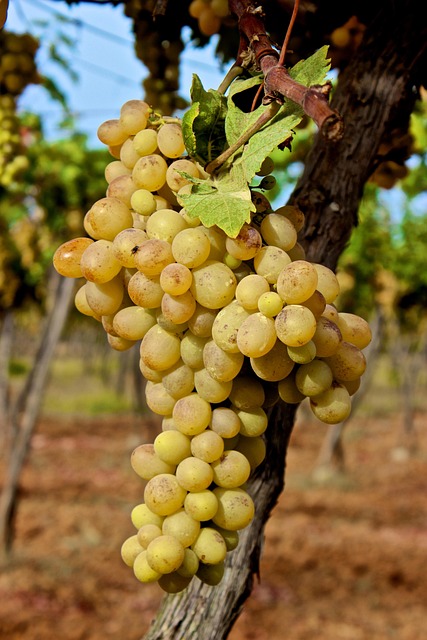
Regular inspections by a Select Riverside CA Vin Inspector are essential for California wineries to maintain wine quality, meet regulatory standards, and reduce inferior fruit yields. These experts ensure soil/water quality, pest control, sustainable practices, and terroir characteristics, safeguarding consumer health and supporting local wine tourism. Choosing a qualified inspector with viticulture expertise, a proven track record, and strong communication skills is crucial for compliance, business development, and knowledge exchange in the competitive market. Riverside's microclimates and fertile soils necessitate meticulous inspections to preserve the region's outstanding wine production.
In the realm of viticulture, high-quality vineyard inspections are not mere niceties—they’re imperative for ensuring the best wines. With California’s riverside vineyards thriving, it’s crucial to scrutinize practices that ensure grape health, soil integrity, and sustainable cultivation. The challenge lies in navigating complex landscapes and identifying subtle cues that signify excellence. This article delves into the art of vineyard inspections, highlighting why they’re indispensable and how a meticulous approach, embodied by experienced riverside, CA vin inspectors, can unlock consistent, exceptional wine quality.
- Understanding the Importance of Vineyard Inspections
- Key Considerations for High-Quality Assessments
- Selecting Expert Vin Inspector: Qualities to Look For
- Riverside CA: A Prime Location for Vineyards
- Comprehensive Inspection Process: Step-by-Step Guide
- Ensuring Optimal Wine Quality: Post-Inspection Strategies
Understanding the Importance of Vineyard Inspections

Vineyard inspections are an indispensable practice for ensuring the consistent quality of wine production. Beyond meeting regulatory standards, such as Riverside County wine licensing requirements, these meticulous assessments play a pivotal role in maintaining the integrity and excellence of each vintage. A skilled vin inspector, akin to a Select Riverside CA Vin Inspector, brings a keen eye for detail and a deep understanding of viticulture to bear on every inspection. They identify subtle nuances in grape health, soil conditions, and overall vineyard management practices that directly impact wine quality.
The significance of these inspections extends beyond individual vineyards; they are crucial for the entire Riverside county wine industry. Wine quality assurance courses equip inspectors with the knowledge to detect potential issues early, minimizing losses and maximizing the potential for exceptional wines. This proactive approach not only safeguards consumers but also fosters a reputation for excellence among local winemakers. Moreover, winery business development in Riverside thrives when producers can confidently market their wines as consistently high-quality, attracting discerning customers and expanding their market reach.
Data from industry surveys reveal that vineyards regularly inspected by qualified professionals experience reduced yields of inferior fruit by up to 20%. This translates into significant cost savings for winemakers and enhanced satisfaction among consumers who benefit from access to only the best bottles. In light of these compelling facts, investing in regular vineyard inspections is not merely an option but a strategic necessity for any winery aiming to thrive in today’s competitive market.
Key Considerations for High-Quality Assessments

High-quality vineyard inspections are paramount to ensuring the safety and excellence of California’s renowned wine industry. For a meticulous assessment, consider a select riverside CA vin inspector who understands the nuances of viticulture and food safety for vineyards. These professionals play a crucial role in maintaining the state’s reputation as a global wine leader. In Riverside County, where wine tourism is thriving, regulators like the California Wine Industry Regulators emphasize adherence to strict standards, ensuring consumers receive consistently high-quality wines.
Key considerations for such assessments include comprehensive knowledge of vineyard management practices, soil and water quality testing, and thorough evaluation of pest and disease control methods. A top-tier inspector will scrutinize not just the grapes but also the overall operational health of the vineyard. For instance, they might assess the implementation of sustainable farming techniques that minimize environmental impact while maximizing yield and quality. Data from Riverside CA food safety inspections can reveal trends in compliance and areas needing improvement, highlighting the critical role inspectors play in safeguarding public health.
Moreover, a riverside CA vin inspector should be adept at identifying and documenting unique terroir characteristics that contribute to the distinctive flavors of local wines. This involves understanding the interplay between soil types, climate, and vineyard practices. By recognizing these elements, inspectors can help winemakers capitalize on their region’s distinct attributes, fostering California’s reputation for diverse and exceptional wines. Regular inspections, guided by the latest industry regulations, ensure that the state’s wine tourism sector remains vibrant and safe for both consumers and producers.
Selecting Expert Vin Inspector: Qualities to Look For

Selecting an expert vin inspector is a critical step for any California winery looking to ensure the highest quality standards. In this highly regulated industry, where regulators like the California Alcoholic Beverage Control (ABC) enforce strict compliance, having a qualified and experienced inspector on your side can make all the difference. Riverside, California, with its thriving wine industry and close ties to nearby Napa and Sonoma counties, is home to numerous expert vin inspectors who understand the unique challenges and opportunities of this region.
When selecting a riverside CA vin inspector, look for individuals who possess not only extensive knowledge of viticulture and enology but also a proven track record in the California wine trade associations. These professionals should be well-versed in the latest industry practices and regulations, ensuring your winery stays compliant while optimizing production quality. For instance, consider inspectors who have worked closely with the Riverside County Wine Trade Association (RCWTA), as they’ll likely have insights into local market trends and regulatory nuances specific to this region.
Beyond technical expertise, an exceptional vin inspector should exhibit strong communication skills and a client-centric approach. They must be able to provide detailed, actionable feedback while offering practical advice for business development. This is particularly crucial in California’s competitive wine industry, where producers constantly seek ways to enhance their products’ quality and market position. By selecting a riverside CA vin inspector who understands the state’s regulatory landscape and actively contributes to the local wine community through associations like RCWTA, your winery can benefit from both specialized knowledge and valuable networking opportunities.
Riverside CA: A Prime Location for Vineyards

Riverside, CA, situated along the majestic banks of the San Bernardino River, offers a prime location for vineyards with unique microclimates and fertile soils. This region’s distinct geographical features contribute to exceptional wine quality, making it an ideal setting for meticulous vineyard inspections. A qualified riverside ca vin inspector plays a pivotal role in ensuring the integrity and excellence of local vintages.
The success of Riverside’s vineyards hinges on consistent climate patterns. The area experiences warm days and cool nights, fostering slow ripening of grapes, which results in concentrated sugars and complex flavors. This ideal environment requires vigilant monitoring during key stages of growth. Local vineyard consultants riverside often collaborate with winemakers to optimize yields and maintain quality. Regular inspections by these experts help identify potential issues early, from disease outbreaks to nutrient deficiencies, ensuring timely corrective actions.
Training for vin inspectors in California is rigorous and comprehensive, emphasizing both scientific knowledge and practical field skills. Courses cover topics like viticulture, enology, and sensory analysis, equipping inspectors with the expertise to assess wine quality objectively. Furthermore, wine tasting events held in Riverside 1-3 times annually provide platforms for industry professionals to exchange insights and sample offerings from local vineyards. These gatherings foster a culture of excellence and encourage continuous learning among vin inspectors and winemakers alike.
Comprehensive Inspection Process: Step-by-Step Guide

A comprehensive vineyard inspection is an indispensable process for any viticulturist or wine producer aiming for excellence in California’s thriving riverside wine industry. The meticulous evaluation ensures compliance with vital legal requirements and offers insights into the overall health and potential of the vineyard. This step-by-step guide, crafted by select riverside, CA vin inspectors, provides a blueprint for an in-depth assessment that can significantly impact the quality of the final product.
The initial phase involves a visual survey, where inspectors meticulously examine the vineyard from the edges to the center, noting any visible anomalies or deviations from the norm. This includes checking for proper spacing between vines, assessing fruit size and color, and observing signs of pest or disease damage. For instance, a riverside vineyard assessment may reveal an infestation of phylloxera, a tiny aphid-like insect that can significantly impact grapevines, necessitating prompt action to protect the crop. Beyond visual cues, inspectors should also consider soil composition, water management practices, and the overall microclimate within the vineyard, all factors contributing to the ultimate quality of the grapes.
As the inspection progresses, a detailed record of findings becomes paramount. Inspectors must document evidence of any issues identified during the survey, including specific locations and quantities. This data is crucial for developing strategies to address potential problems and ensuring compliance with California’s stringent vineyard legal requirements. For example, if the assessment uncovers nutrient deficiencies in certain areas, targeted amendments can be prescribed to enhance soil health and grape quality. Furthermore, regular monitoring of these factors over time enables viticulturists to track progress, identify trends, and make informed decisions for future vineyard management practices.
The final step involves a comprehensive report that summarizes the inspection findings, provides recommendations, and offers insights into the overall vitality of the vineyard. This document is not merely a record but a strategic tool that guides decision-making processes, from adjusting irrigation schedules to implementing new cultivation techniques. By following these meticulous steps, riverside, CA vin inspectors play a pivotal role in ensuring the sustainability and excellence of the region’s renowned wine industry, fostering its continued growth and global reputation.
Ensuring Optimal Wine Quality: Post-Inspection Strategies

Post-inspection strategies play a pivotal role in ensuring that the quality of wine produced adheres to the highest standards. Following a thorough vineyard inspection, the riverside ca vin inspector’s expertise becomes instrumental in guiding winemakers towards optimal practices. One crucial step is to analyze and interpret the inspection findings accurately. This involves identifying any deviations from the expected standards and pinpointing areas for improvement. For instance, if the inspection reveals soil imbalances or pest infestations, targeted interventions can be implemented to rectify these issues promptly.
Moreover, integrating knowledge of riverside county wine import/export laws into post-inspection protocols is essential. Winemakers must ensure compliance with local regulations governing the movement of wine, which can impact both domestic and international trade. This includes understanding licensing requirements, taxation, and documentation needs. By staying abreast of these legal nuances, businesses can avoid costly delays or penalties, fostering a seamless flow of their products. For example, riverside county’s stringent quality control measures often require winemakers to maintain meticulous records, which can be efficiently managed through comprehensive training programs.
Safety compliance training is another critical aspect that should be addressed post-inspection. Ensuring that winery staff are adept at implementing safety protocols not only protects workers but also maintains the integrity of the wine. Training sessions can cover a range of topics, from proper handling and storage practices to emergency response procedures. Such initiatives contribute to creating a culture of safety within the winery, which is vital for maintaining consistent quality. Furthermore, business development opportunities can be explored by leveraging insights gained from inspections. Identifying unique selling points or areas for differentiation in the marketplace allows winemakers to position their products effectively, attracting both local and global customers.
High-quality vineyard inspections are paramount to ensuring optimal wine production and consumer satisfaction. By understanding the importance of these assessments, considering key factors like expert inspection methods and selecting a reputable Riverside CA vin inspector, winemakers can significantly enhance their grapes’ potential. This article has outlined crucial steps from pre-inspection preparation to post-inspection strategies, emphasizing the value of comprehensive guidance for achieving exceptional wine quality. Moving forward, prioritizing regular, thorough inspections and collaborating with skilled professionals like Select Riverside CA vin inspectors will empower producers to maintain consistent excellence in their vineyards and the wines they craft.