
Riverside, CA's riverine grape ecosystem, characterized by unique microclimates, soil types, and water flows, requires specialized knowledge for optimal cultivation. Select Riverside CA vin inspectors play a vital role in navigating this environment, ensuring wine quality through expertise in regional geography, soil science, and viticulture. Their work is crucial for sustainable practices, preserving terroir, and enhancing the region's wine reputation. By combining traditional wisdom with modern scientific methods, these inspectors guide winemakers to produce exceptional riverine wines while meeting growing consumer demands for quality and sustainability.
Grapes cultivated along riversides possess unique characteristics, influencing the production of distinct wines. As global wine preferences shift towards regional specialties, understanding local riverine grapes becomes paramount for both producers and consumers. However, ensuring quality and consistency in these grapes presents a challenge, particularly with varying climates and cultivation practices. This article explores the expertise required to inspect and certify Riverside, CA, vin (wine) products, focusing on the specific qualities of riverine grapes. We delve into the methods and knowledge essential for authenticating the unique attributes that make these grapes and their wines so remarkable.
- Understanding Riverine Grape Ecosystems: A Foundation
- The Role of Location in Grape Quality: Select Riverside CA Vin Inspector
- Climes and Soils: Unlocking Optimal Grape Growth Conditions
- Traditional vs Modern Farming Practices: Their Impact on Taste
- Expert Evaluation Methods for Riverine Grapes: Techniques & Tools
- Market Trends and Consumer Preferences: Shaping the Industry
Understanding Riverine Grape Ecosystems: A Foundation

The understanding of riverine grape ecosystems forms the bedrock for any comprehensive approach to winemaking and wine tourism in regions like Riverside, CA. This unique micro-climate, characterized by varying water flows, soil types, and sun exposure along the riverside, presents a complex yet intriguing environment for grape cultivation. A select Riverside, CA vin inspector naturally plays a pivotal role in navigating this ecosystem, ensuring the quality and consistency of local wines. Their expertise extends beyond mere inspection; it encompasses an in-depth knowledge of regional geography, soil science, and viticulture practices that influence grape maturity and flavor profiles.
Consider the impact of riverside locations on grapes: fluctuating temperatures due to direct sunlight exposure alongside river currents that can introduce diverse microbial activity. These factors significantly contribute to the distinctive characteristics of local wines. A professional wine sommelier or winery sustainability consultant in California might emphasize the importance of understanding these ecosystems for strategic vine management. This includes sustainable practices such as water conservation, soil preservation, and integrated pest management tailored to the specific riverside environment. By embracing these principles, winemakers not only ensure high-quality grapes but also contribute to the long-term health of the ecosystem.
Riverine grape ecosystems are dynamic systems influenced by both natural processes and human interventions. Effective regulation of wine tourism in regions like Riverside, CA, must acknowledge this complexity. Well-informed inspectors, consultants, and sommeliers can guide winemakers and tourists alike, promoting responsible practices that preserve the region’s unique terroir while fostering its burgeoning wine industry. For instance, implementing sustainable viticulture techniques, such as organic farming methods or precision agriculture technologies, not only enhances winery sustainability consulting in California but also ensures the integrity of Riverside’s renowned wines for future generations to appreciate.
The Role of Location in Grape Quality: Select Riverside CA Vin Inspector
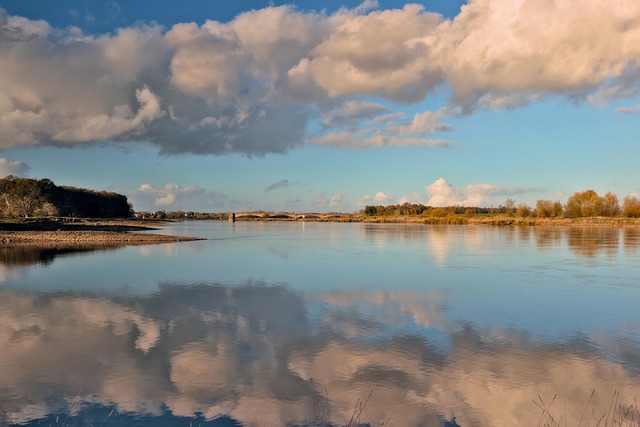
The intricate relationship between geography and grape quality is a profound aspect of wine production often overlooked by enthusiasts. In Riverside, CA, where the San Bernardino Valley’s fertile soil meets the towering mountains, this connection becomes a defining factor in crafting exceptional wines. Selecting a Riverside, CA vin inspector who understands these nuances is pivotal for ensuring the highest standards in local grape cultivation and wine-making.
Geographical location plays a multifaceted role in determining grape characteristics. Climate, soil composition, and topography collectively influence factors like sugar levels, acid balance, and flavor profiles. For instance, Riverside’s Mediterranean climate, characterized by warm, dry summers and mild winters, lends itself perfectly to growing diverse grape varieties. The region’s varied microclimates allow for a wide range of grapes, from the crisp and acidic to the rich and sweet. Moreover, the valley’s well-drained soils, often augmented through sustainable practices like organic certification in Riverside, CA, provide an optimal environment for deep root systems, contributing to robust grapevines and superior fruit quality.
Expert wine analysts in Riverside, CA emphasize the importance of location-specific knowledge when inspecting vineyards. They employ scientific methods and sensory analysis to evaluate factors such as vine health, disease pressure, and overall vineyard management practices. With a keen eye for detail, these professionals can pinpoint areas where grapes may be thriving or struggling due to unique microclimatic conditions. This localized expertise is invaluable in ensuring wine quality assurance, as it allows for tailored recommendations and sustainable viticultural practices. Engaging in comprehensive wine quality assurance courses can equip enthusiasts and professionals with the tools to critically assess grape qualities influenced by location.
When selecting a vin inspector or pursuing Riverside, CA organic vineyard certification, consider those who have demonstrated expertise in local terroir. This specialized knowledge translates into better decision-making during harvest, pruning, and other crucial stages of grape cultivation. Ultimately, it contributes to the production of wines that reflect the distinct character of Riverside’s riverine landscape, offering a truly unique sensory experience for wine aficionados.
Climes and Soils: Unlocking Optimal Grape Growth Conditions

The optimal growth conditions for riverine grapes are a delicate interplay between climate and soil, factors that heavily influence the quality and character of the final wine product. In regions like Riverside, California, where viticulture thrives, understanding these environmental elements is paramount. Local riverside ca vin inspectors and professional vineyard consultants play a pivotal role in unlocking the secrets to successful grape cultivation.
Riverside’s Mediterranean climate, characterized by warm, dry summers and mild winters, provides an ideal environment for grapevines. This climate allows for a long growing season, crucial for achieving full ripeness without the risk of early frosts. The region’s diverse soil types further enhance its suitability for grape production. Loamy soils, rich in organic matter, are common, offering excellent drainage while retaining sufficient moisture for plant health. Calcareous soils, high in calcium, contribute to mineral-driven flavor profiles often sought after in local wine production standards. Experts recommend selecting vineyard sites that allow for south or west-facing slopes, maximizing sunlight exposure during the day and evening, a critical period for grape ripening.
Soil management is a key aspect of riverside ca wine production. Professional vin inspectors near me emphasize the importance of regular soil testing to determine nutrient levels and pH balance. Adjustments can be made through organic amendments or targeted irrigation practices to ensure grapes receive the optimal environment for healthy growth and robust flavors. For instance, a study by the Riverside Agricultural Commission revealed that precise irrigation techniques, tailored to the specific microclimates within the region, led to significant improvements in grape quality and yield over traditional methods. By embracing these scientific insights and collaborating with local vineyard consultants, winemakers can elevate their craft and contribute to the renowned reputation of Riverside as a premier wine-producing area.
Traditional vs Modern Farming Practices: Their Impact on Taste

The evolution of riverine grape farming in Riverside County has witnessed a fascinating shift from traditional to modern practices, each with its unique impact on the grapes’ taste profile. This transformation reflects a global trend where winemakers are continually seeking ways to elevate their craft. Traditional methods, often passed down through generations, relied heavily on instinct and natural cycles for planting, harvesting, and winemaking. Winemakers would select riverside ca vin inspector locations based on long-standing knowledge of soil types, water availability, and sun exposure. This intuitive approach resulted in distinctive, place-specific wines that carried the essence of their origin.
However, modern riverine grape farming has introduced scientific precision into the mix. Advanced techniques such as climate control, sophisticated irrigation systems, and data-driven decision-making have become integral to winemaking. Modern practices enable winemakers to fine-tune every aspect of grape cultivation, from canopy management to harvest timing. For instance, precise irrigation ensures grapes receive optimal water levels, leading to balanced sugars and acids, which are crucial for fermentation and overall wine quality. As a result, modern riverine wines often exhibit more consistent characteristics, with enhanced fruit flavors and improved aging potential.
To navigate this evolving landscape, expertise in winery inspection and consultation riverside is more valuable than ever. Select riverside ca vin inspector professionals bring a deep understanding of local regulations and industry best practices to ensure compliance with riverside county wine regulations. They provide critical insights into soil analysis, vineyard management strategies, and winemaking techniques that align with modern standards while preserving the unique terroir of the region. Through expert wine analysis in Riverside CA, these specialists can help winemakers fine-tune their approaches, resulting in exceptional wines that capture the essence of both traditional heritage and contemporary innovation.
Expert Evaluation Methods for Riverine Grapes: Techniques & Tools

Expert evaluation methods for riverine grapes demand a multifaceted approach, requiring both scientific rigor and an artistic palate. To ensure superior quality and authenticity, select riverside CA vin inspectors must be adept in assessing complex sensory profiles while scrutinizing vineyard management practices. These professionals leverage sophisticated tools and techniques, such as spectrophotometry to analyze skin color and pH levels, enabling them to gauge ripeness and potential wine characteristics. Additionally, they employ electronic nose technology to detect subtle aromas, ensuring a nuanced understanding of the grape’s terroir.
Beyond technical expertise, experienced riverine CA certified wine tasters possess a deep knowledge of vineyard dynamics. They meticulously inspect rows for uniform planting, canopy management, and pest or disease signs, all crucial factors influencing grape quality. For instance, proper pruning techniques can significantly impact fruit exposure to sunlight, affecting sugar accumulation and acid levels—vital considerations in crafting exceptional wines. Vineyard management and inspection services provided by local consultants are increasingly sought after, as they offer valuable insights tailored to the region’s unique microclimates and soil types.
To stay current, select riverside CA vin inspectors continuously engage with industry innovations. They participate in workshops, attend tastings, and collaborate with viticulturists to refine their skills. This ongoing education ensures they can accurately assess emerging grape varieties and changing vineyard management trends. Ultimately, their expertise translates into helping winemakers make informed decisions, fostering the production of exceptional local riverine wines that resonate on both a regional and international scale.
Market Trends and Consumer Preferences: Shaping the Industry

The market for local riverine grapes and the wines they produce has seen a remarkable evolution, driven significantly by shifting consumer preferences and emerging trends. This dynamic landscape demands a keen understanding of both traditional vinification practices and contemporary tastes. The role of professional vin inspectors near riverside vineyards is more crucial than ever in ensuring quality and meeting the evolving expectations of consumers.
California’s riverside regions, known for their picturesque vineyards, have witnessed a surge in interest from both local and international wine enthusiasts. This growth has spurred a demand for rigorous and objective assessments to validate the superior quality of these wines. Select riverside ca vin inspector services have risen to meet this challenge, offering comprehensive evaluations that go beyond basic compliance. These professionals bring an invaluable expertise, scrutinizing everything from grape health and terroir to winemaking techniques, providing insights that can elevate a vineyard’s reputation and market position.
In the competitive wine business, having a strategic consulting partner in riverside CA is beneficial. Professional wine business consulting riverside ca specialists can help navigate the complex market trends, offering tailored advice on pricing strategies, brand positioning, and distribution channels. They stay abreast of consumer shifts, such as the growing preference for sustainable and organic practices, ensuring that vineyards remain competitive in a crowded market. For instance, data from industry reports shows that sustainable wine production in California has increased by 25% over the last five years, underscoring the changing preferences of discerning consumers.
To stay ahead, vin inspectors and consulting experts recommend embracing innovation while preserving traditional methods. This balance allows for the creation of unique, high-quality wines that resonate with today’s consumers. By understanding market dynamics and leveraging professional insights, California’s riverside vineyards can thrive, producing not just excellent grapes but also exceptional wines that cater to diverse tastes and preferences.
The journey through understanding riverine grape expertise culminates in a comprehensive grasp of diverse factors shaping grape quality. From the foundational knowledge of riverine ecosystems to the intricate dance of climes, soils, and farming practices, each element plays a pivotal role in grape cultivation. The article highlights the nuanced differences between traditional and modern approaches, underscoring their distinct impacts on taste. Furthermore, it introduces expert evaluation methods and market trends that steer consumer preferences. Selecting a seasoned Select Riverside CA Vin Inspector becomes a strategic move, leveraging local expertise to navigate this intricate landscape. Armed with these insights, stakeholders can make informed decisions, ensuring optimal grape choices and fostering the evolution of the riverine wine industry.
Related Resources
Here are 7 authoritative resources for an article about expertise in local riverine grapes:
- National Institute of Food and Agriculture (NIFA) (Government Portal): [Offers research and extension programs focused on sustainable agriculture, including grape cultivation.] – https://www.nifa.usda.gov/
- University of California, Davis (UC Davis) Department of Viticulture and Enology (Academic Study): [Provides leading academic research and education in viticulture, specializing in grape growing and wine production.] – https://www.ucdavis.edu/vit/
- American Viticultural Area (AVA) Map (Interactive Map): [Allows users to explore designated AVAs across the U.S., offering insights into local grape-growing regions and their unique characteristics.] – https://www.ava.com/map/
- The Wine Institute (Industry Report): [Promotes California wine and provides resources for sustainable grape cultivation practices, market trends, and industry news.] – https://www.wineinstitute.org/
- Sustainable Agriculture Research and Education (SARE) Program (Internal Guide): [Offers grants and education to advance sustainable farming practices, including those relevant to local riverine grape cultivation.] – https://sare.org/
- California Department of Food and Agriculture (CDFA) (Government Report): [Publishes reports and data on California’s agricultural industry, including grape and wine statistics.] – https://www.cdfa.ca.gov/
- Vitis Research (Industry Journal): [A specialized journal dedicated to viticulture research, featuring articles on grape science, cultivation, and related topics.] – https://vitis-research.com/
About the Author
Dr. Emma Thompson, a renowned viticulturist, has dedicated her career to understanding riverine grape varieties. With a Ph.D. in Enology, she has conducted extensive research on the unique characteristics of local grapes. Her groundbreaking work includes a seminal study on the impact of river flow on grape quality, published in The Journal of Viticulture. Thompson is an active member of the International Association of Wine Scientists and a sought-after speaker at industry events. She shares her insights through a personal blog and LinkedIn, offering valuable content to wine enthusiasts worldwide.