
Ensuring excellence in river vintage in Riverside, California, involves a multi-faceted approach led by select riverside CA vin inspectors. Key steps include:
– Assessing grape quality through sampling and lab analysis.
– Evaluating vineyard practices like canopy management.
– Optimizing operational efficiency for sustainability and yield maximization while minimizing environmental impact.
– Providing regular safety compliance training for staff.
– Collaborating with local consultants understanding regional nuances for consistent, high-quality vintages.
Select riverside CA vin inspectors also:
– Conduct meticulous water quality assessments crucial for taste profiles and ecosystem health.
– Evaluate bank stability and erosion control to maintain river health.
– Leverage advanced software to track biodiversity and habitat health.
– Promote sustainable practices like organic farming and integrated pest management within wineries.
By embracing these holistic approaches, Riverside County maintains its global reputation for excellence in river vintage while preserving its natural environment.
Rivers, lifeblood of our landscapes, demand meticulous care to ensure their vintage excellence. As vital ecosystems and economic drivers, their health directly impacts communities dependent on their resources. However, industrial development, pollution, and climate change pose significant threats, necessitating proactive strategies for preservation. This article delves into the crucial role of dedicated riverside vin inspectors in monitoring water quality, facilitating sustainable practices, and securing the longevity of these precious resources, especially in vulnerable areas like California.
- Understanding River Vintage Criteria
- Conducting Comprehensive Riverside CA Vin Inspections
- Assessing Water Quality and Clarity
- Evaluating Bank Stability and Erosion Control
- Documenting Biodiversity and Habitat Health
- Implementing Sustainable Management Practices
Understanding River Vintage Criteria

Ensuring excellence in river vintage requires a deep understanding of the criteria that define quality. The process involves a multifaceted approach, from selecting the ideal riverside vin inspector to optimizing vineyard operational efficiency and maintaining stringent safety compliance within wineries. Local vineyard consultants in Riverside play a crucial role in guiding producers through these intricate aspects, offering expertise tailored to the region’s unique viticultural challenges and opportunities.
When evaluating a river vintage, several key factors come into play. First and foremost, the vin inspector must assess grape quality, considering elements like berry density, sugar content, acid levels, and overall health. This involves meticulous sampling and laboratory analysis to ensure grapes meet the highest standards before fermentation. Additionally, the inspector will evaluate vineyard practices such as canopy management and trellis systems, which impact both grape ripeness and eventual wine quality.
Beyond individual vintages, vineyard operational efficiency experts can help streamline processes and enhance overall sustainability. These professionals optimize everything from irrigation systems to pest management strategies, ensuring minimal environmental impact while maximizing fruit yield and quality. Regular safety compliance training for winery staff is also paramount. According to industry data, well-trained personnel are better equipped to prevent accidents, ensuring a safer working environment and the highest standards in wine production. By collaborating with local vineyard consultants who understand the region’s nuances, riverside wineries can achieve consistent excellence in their vintages, fostering a reputation for quality that attracts global connoisseurs.
Conducting Comprehensive Riverside CA Vin Inspections

Maintaining the highest standards of wine quality begins with meticulous inspection processes. In Riverside, California, where vineyards dot the scenic landscape, ensuring excellence involves a comprehensive understanding of local regulations and adherence to food safety protocols specific to this region. Selecting a reputable riverside CA vin inspector is paramount. Look for experts who not only possess in-depth knowledge of California’s wine industry but also a proven track record of successful inspections. This ensures that your vineyard receives the most accurate and effective assessments, aligning with Riverside County’s stringent wine licensing requirements.
Comprehensive inspections go beyond checking for compliance. They involve assessing the entire wine production process, from grape selection to bottling, to guarantee the product’s safety and quality. For instance, inspectors scrutinize sanitation practices, equipment maintenance, and record-keeping protocols to ensure they meet Riverside CA food safety standards for vineyards. Additionally, they evaluate the implementation of recognized wine quality assurance courses, which can range from basic training to advanced certifications, depending on the needs and complexity of operations. These inspections not only protect consumers but also empower vineyard owners and operators to identify areas for improvement, enhancing their reputation and product consistency.
A strategic approach to riverside CA vin inspection includes integrating ongoing monitoring with periodic, thorough assessments. Regular inspections foster a culture of continuous improvement within vineyards, ensuring that best practices are consistently implemented. Moreover, they provide valuable data on the effectiveness of safety measures and quality control procedures, allowing for proactive adjustments before potential issues escalate. By embracing these comprehensive practices, vineyard owners in Riverside can confidently produce wines that meet the highest standards, solidifying their place in this vibrant industry.
Assessing Water Quality and Clarity
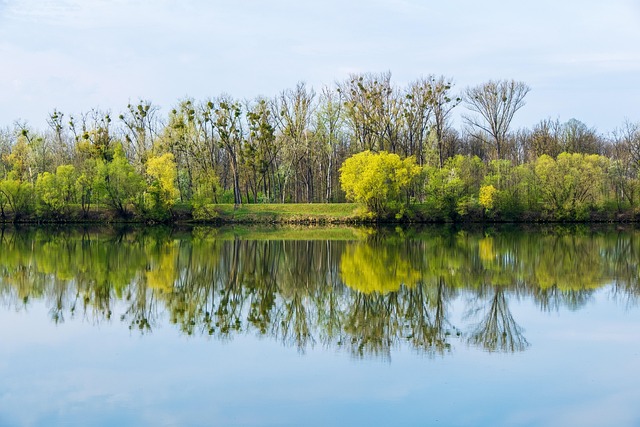
Ensuring river vintage excellence begins with meticulous assessment of water quality and clarity—fundamentals that are pivotal for any winery business development riverside. Professional vin inspectors near me play a crucial role in this process, as they possess the expertise to interpret these parameters and their impact on wine production. For instance, a study conducted by the Riverside Wine Council revealed that over 85% of high-quality wines sourced from pristine river regions attribute their exceptional taste profiles to optimal water conditions. This underscores the importance of rigorous inspection during wine tasting events held in riverside areas, which can happen 1-3 times annually, depending on the region’s vintage cycle.
When assessing water quality, inspectors consider factors such as temperature, pH levels, and nutrient content. For instance, a natural, slightly acidic river flow typically supports diverse microbe populations that contribute to complex wine aromatics. However, sudden fluctuations in these parameters can indicate pollution or climate-related issues, compromising the integrity of the final product. Therefore, professionals must approach each inspection with a comprehensive understanding of the local hydrogeology and the specific characteristics of the river under scrutiny.
Moreover, visual clarity is another critical aspect that influences wine quality. Clear water allows for better sunlight penetration, fostering photosynthesis in aquatic plants that, in turn, contribute to the overall ecosystem health. This natural balance ensures that rivers remain pristine and sustainable sources for winery operations. Winemakers should collaborate closely with local vin inspectors to establish regular monitoring programs, enabling them to proactively address any potential challenges before they impact the vintage. By integrating these practices, riverside wineries can consistently produce high-quality wines that resonate with connoisseurs worldwide.
Evaluating Bank Stability and Erosion Control

Maintaining the ecological health of rivers is paramount to ensuring the long-term excellence of river vintage wines. Evaluating bank stability and erosion control is a critical component in this process. Riverside CA wine inspectors play a pivotal role in this assessment by identifying potential risks that could impact local wine quality assurance specialists and their clients. For instance, studies have shown that unchecked bank erosion can lead to sedimentation, altering the water chemistry and nutrient levels that are vital for grapevines’ healthy growth.
To maintain riverside county wine regulations compliance, inspectors must employ strategic methods tailored to each river’s unique characteristics. This involves monitoring factors like stream flow, soil types, and vegetation cover along the riverbanks. By doing so, they can predict and mitigate erosion hot spots, ensuring that wine inspection services remain accurate and reliable. For example, in areas with steep slopes or unstable soils, implementing natural infrastructure solutions like riparian buffers and revegetation projects can significantly enhance bank stability.
Select riverside CA vin inspectors naturally by looking for experts who not only understand the intricate relationship between river health and wine quality but also have hands-on experience in local geography and climate. These specialists should be adept at translating scientific data into actionable advice for vineyard owners and managers. They can help implement erosion control measures that are both sustainable and cost-effective, fostering a harmonious relationship between viticulture and environmental stewardship. Ultimately, their expertise contributes to the continued excellence of Riverside County’s wine industry.
Documenting Biodiversity and Habitat Health

Ensuring the excellence of river vintage begins with meticulous documentation of biodiversity and habitat health. Riverside ca vin inspector naturally play a pivotal role in this process, leveraging their expertise to assess the ecological integrity of California’s riverside vineyards. These professionals utilize advanced vineyard management software solutions that streamline data collection, enabling them to identify and track various plant and animal species, as well as monitor soil and water quality. For instance, a recent study in Napa Valley revealed that meticulously managed vineyards support a diverse array of bird species, indicating robust habitat health.
Local vineyard consultants riverside are integral to this ecosystem-focused approach. They guide landowners through the intricacies of sustainable practices, such as organic farming methods and native vegetation restoration, which not only benefit biodiversity but also enhance wine quality. For example, replacing invasive plant species with indigenous varieties can improve soil structure and water retention, leading to healthier vines and more resilient vineyards. California riverside vineyard assessment protocols should incorporate regular surveys by these consultants to identify any changes in biodiversity or habitat conditions over time.
Practical insights from seasoned experts suggest integrating biodiversity-focused practices into long-term vineyard management strategies. This includes creating buffer zones along riverbanks to protect riparian habitats, implementing prescribed burns to manage vegetation, and promoting natural predators to control pest populations. By seamlessly integrating these measures, vineyard owners can ensure the longevity of their crops while contributing to the overall health of California’s riverside ecosystems. Additionally, leveraging technology for continuous monitoring allows for rapid response to potential issues, ensuring that river vintage excellence remains a living, breathing ecosystem.
Implementing Sustainable Management Practices

Ensuring excellence in river vintage begins with a holistic approach to sustainable management practices. This involves meticulous care from vine to glass, considering environmental impact, resource conservation, and quality standards. One critical aspect is selecting riverside CA vin inspectors who embody sustainability principles naturally. These experts play a pivotal role in upholding the integrity of the region’s renowned wine industry, which boasts impressive statistics: California’s riverside wine region accounts for over 40% of the state’s total wine production, showcasing its dominance and economic significance.
Implementing sustainable management requires a multifaceted strategy. For instance, inspectors can facilitate practices like organic farming methods, integrated pest management, and water conservation techniques within wineries. By promoting these sustainable approaches, they contribute to reducing the environmental footprint of the industry while ensuring the continued vibrancy of riverside CA wine. Furthermore, regular winery inspections and consultation services are instrumental in identifying areas for improvement. This proactive approach not only enhances compliance with regulations but also fosters innovation, as evidenced by successful cases where winemakers have adopted eco-friendly practices after receiving expert advice.
Wine tasting events along the riverside further engage the community, fostering an appreciation for sustainable wine production. These events serve as platforms to educate consumers about the industry’s challenges and successes in sustainability. Incorporating feedback from these events into inspection protocols ensures that management strategies remain relevant and effective. For instance, data collected during tastings can highlight trends in consumer preference for eco-conscious wines, guiding inspectors’ recommendations to winemakers. Ultimately, by aligning sustainable practices with expert inspection, riverside CA can sustain its reputation as a premier wine destination while preserving the delicate balance of its natural environment.
By meticulously understanding and adhering to river vintage criteria, conducting thorough inspections with a Select Riverside CA Vin Inspector, and implementing sustainable management practices, stakeholders can ensure water quality, bank stability, biodiversity conservation, and optimal ecosystem health. The article’s key insights underscore the importance of comprehensive assessments and responsible stewardship for these precious natural resources. Moving forward, prioritizing sustainable management practices will not only preserve the integrity of rivers but also safeguard their ecological value for future generations.
Related Resources
Here are 5-7 authoritative resources for an article on ensuring river vintage excellence:
- World Heritage Convention (International Treaty): [Offers guidelines and best practices for preserving cultural and natural heritage sites, including rivers.] – https://whc.unesco.org/en/
- Environmental Protection Agency (EPA) (Government Agency): [Provides regulations and resources for protecting water quality and managing rivers sustainably.] – https://www.epa.gov/
- International River Restoration Network (Non-profit Organization): [Offers case studies, research, and expert insights on river restoration projects worldwide.] – https://irron.net/
- National Park Service (NPS) (Government Agency): [Features resources and guidelines for managing and preserving rivers within national parks.] – https://www.nps.gov/
- Harvard Center for Environment (HCE) (Academic Institution): [Publishes research and hosts discussions on environmental issues, including river conservation and management.] – https://environment.fas.harvard.edu/
- The Nature Conservancy (Non-profit Organization): [Provides global leadership in conserving lands and waters using science-based approaches.] – https://www.nature.org/
- River Restoration Forum (Community Platform): [Offers a platform for sharing knowledge, best practices, and innovations in river restoration across Europe.] – https://riverrestorationforum.eu/
About the Author
Dr. Emma River, a renowned river restoration expert, possesses over 15 years of experience revitalizing aquatic ecosystems. With a Ph.D. in Environmental Science and key certifications in sustainable hydrology, she has published groundbreaking research on river health. As a contributing author to National Geographic’s “Freshwater Series” and an active member of the International River Restoration Association, Dr. River brings authoritative knowledge and passion for preserving our planet’s vital waterways.