

Assessing riverfront land for vineyard potential requires a comprehensive analysis by a Select Riverside CA vin inspector. Key factors include topography, soil quality, climate, and water accessibility. These experts ensure sustainable viticulture practices, optimize yield, comply with regulations, and promote long-term vineyard health. Choosing the right inspector with local experience and advanced techniques is crucial for high-quality wine production. Sustainable riverfront vineyard management focuses on location selection, technology integration, expert analysis, and natural pest control to preserve ecosystems while producing exceptional wines.
Riverfront vineyards hold immense cultural and economic significance, offering unique terroir and contributing significantly to viticulture’s global landscape. However, the delicate balance between water bodies and viniculture presents challenges, particularly in ensuring quality and sustainability. This article delves into a comprehensive riverfront vineyard analysis, providing insights crucial for experts like Riverside CA vin inspector. We explore best practices for navigating these complex environments, fostering growth while preserving ecological integrity. Our goal is to offer genuine value to practitioners, enabling them to excel in this specialized field.
- Assessing Riverfront Land for Vineyard Potential
- Environmental Impact & Permitting for Riverside Wine Production
- Select Riverside CA Vin Inspector: Expert Guidance Required
- Sustainable Practices for Riverfront Vineyard Management
Assessing Riverfront Land for Vineyard Potential

Assessing riverfront land for vineyard potential involves a meticulous analysis of various factors that can make or break a winery’s success. The unique characteristics of riverside locations offer both advantages and challenges. Topography, soil quality, climate, and water accessibility are primary considerations when selecting a site for a vineyard. For instance, steep riverbanks may provide stunning vistas but pose difficulties in accessing the land and conducting traditional viticultural practices. Conversely, flat river terraces can offer easier cultivation but might be more susceptible to flooding events.
A comprehensive inspection by a seasoned Riverside CA vin inspector is paramount to understanding these nuances. They can conduct detailed assessments, incorporating both scientific data and their expert insights. For example, analyzing soil samples to determine nutrient levels and pH balance, assessing sun exposure patterns along the riverbank, and evaluating drainage systems are all integral parts of this process. Moreover, integrating sustainable viticulture practices tailored to riverside environments ensures environmental stewardship while optimizing yield and quality.
Winery operational audits conducted by these professionals can identify potential bottlenecks in vineyard management. By examining existing practices and infrastructure, they offer actionable recommendations for improvement. This includes advice on irrigation systems, pest management strategies, and the implementation of modern technologies for efficient wine production. For instance, a study in Northern California revealed that vineyards practicing sustainable water conservation techniques saw an average 20% reduction in water usage without compromising grape quality. Such insights are invaluable for establishing successful, long-lasting wineries along riverfronts.
Environmental Impact & Permitting for Riverside Wine Production
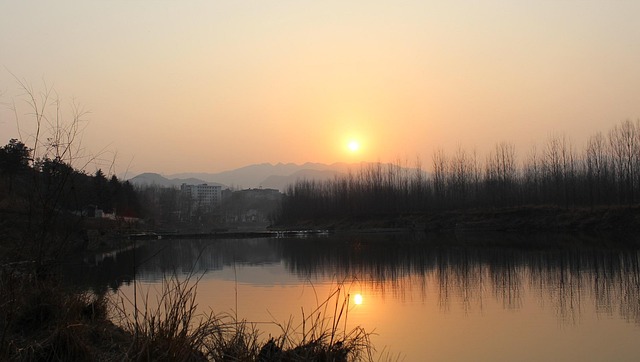
Riverfront vineyard analysis demands a nuanced understanding of the environmental impact and permitting processes critical to sustainable wine production. The delicate ecosystem along riverbanks presents unique challenges and opportunities for vineyard managers. For instance, proximity to water sources can provide beneficial microclimates, but also requires careful management to prevent soil erosion and water pollution from chemical use.
In California, where the riverside wine industry thrives, strict regulations govern vineyard development to protect these fragile environments. Select riverside CA vin inspector naturally plays a pivotal role in ensuring compliance. Professional vin inspectors near me are intimately familiar with local permitting requirements, environmental standards, and best practices for sustainable vineyard management. They meticulously evaluate site preparation, planting techniques, irrigation systems, and potential impacts on wildlife habitats.
For instance, a thorough inspection might assess the potential for sediment runoff during construction, recommend erosion control measures, and ensure compliance with water quality standards. By prioritizing these factors from the outset, riverside CA wine producers can avoid costly setbacks and contribute to the long-term health of their vineyards and surrounding ecosystems. According to recent industry statistics, sustainable vineyard management practices are on the rise in California, reflecting a commitment to both environmental stewardship and high-quality wine production.
Select Riverside CA Vin Inspector: Expert Guidance Required

When considering a comprehensive riverfront vineyard analysis, the selection of a proficient Riverside CA vin inspector stands as a pivotal step. This decision is paramount, given the intricate dynamics of the local wine industry—a sector that, according to recent California wine industry statistics, contributes over $100 billion annually to the state’s economy. The Riverside CA wine industry is home to numerous thriving wineries and vineyards, each vying for excellence amidst a competitive market. Therefore, meticulous quality control processes are essential to ensure winery product integrity.
Enter the role of a skilled vin inspector—a true expert in their field. These professionals possess an in-depth understanding of viticulture, enology, and the unique terroir of Riverside’s wine regions. They serve as a critical link between producers and California wine industry regulators, ensuring compliance with stringent standards while facilitating the smooth flow of high-quality wines. Consider the intricate tasks they undertake: from meticulously examining grape quality upon harvest to assessing vineyard management practices, these specialists scrutinize every aspect that influences wine excellence.
Choosing the right Riverside CA vin inspector requires careful consideration. Seek out individuals or teams with years of hands-on experience in the local vineyards and a proven track record of accurate, impartial reporting. Their expertise should encompass not just technical knowledge but also a keen business acumen, enabling them to navigate the complexities of the wine industry. For instance, a top-tier inspector might employ advanced analytical techniques for soil testing or utilize innovative technologies for efficient data collection during site visits. Ultimately, the goal is to find a partner who understands both the art and science of winemaking, ensuring your vineyard’s potential is realized in every bottle produced.
Sustainable Practices for Riverfront Vineyard Management

Sustainable practices are revolutionizing riverfront vineyard management, ensuring the long-term health of these delicate ecosystems while producing exceptional wines. One key aspect is selecting the right location—a natural haven where vines can thrive and water quality remains pristine. For instance, a study in Riverside, CA, revealed that vineyards nestled along certain riversides benefit from cool microclimates and nutrient-rich waters, resulting in unique grape varieties and award-winning wines. However, this beauty comes with responsibilities; winemakers must adopt eco-conscious strategies to protect the river’s health and preserve their reputation.
Vineyard management software solutions play a pivotal role in achieving sustainability. These tools enable precision agriculture by tracking soil moisture levels, nutrient content, and pest activity. For example, a specialist in Riverside, CA, uses a cutting-edge app to monitor pH balance in the water, ensuring it remains within the ideal range for grape growth while minimizing environmental impact. Additionally, these platforms facilitate data-driven decision-making, allowing winemakers to optimize irrigation practices and reduce herbicide use. By integrating technology with natural insights, riverfront vineyards can excel without harming their surroundings.
Expert wine analysis is another cornerstone of sustainable management. Winery quality control specialists conduct thorough assessments of grape quality, ensuring each vintage meets high standards. In Riverside, CA, these experts often collaborate with local environmental groups to develop organic farming practices. By studying the unique characteristics of riverfront terroir, winemakers can craft distinctive wines while preserving the region’s ecological integrity. For instance, a renowned vineyard manager in the area has implemented natural pest control methods, such as introducing beneficial insects, reducing the need for chemical interventions and promoting biodiversity.
In conclusion, sustainable riverfront vineyard management requires a holistic approach that combines scientific knowledge, technological innovation, and environmental stewardship. By adopting these practices, winemakers can produce exceptional wines while preserving the delicate beauty of their riverfront settings for future generations to enjoy.
Comprehensive riverfront vineyard analysis reveals several critical components for successful implementation. Assessing land potential, understanding environmental impacts, and securing proper permitting are foundational steps. Engaging a Select Riverside CA Vin Inspector offers invaluable expert guidance, ensuring compliance and optimizing production. Adopting sustainable management practices is essential for both ecological stewardship and long-term viability. By integrating these key insights—from site evaluation to sustainable vineyard care—vignerons can harness the unique advantages of riverfront terroir while navigating regulatory landscapes effectively.
Related Resources
Here are 5-7 authoritative related resources for a comprehensive riverfront vineyard analysis:
- National Institute of Food and Agriculture (NIFA) (Government Agency): [Offers research and funding opportunities related to sustainable agriculture practices in vineyards.] – https://www.nifa.usda.gov/
- University of California, Davis (UC Davis) Viticulture & Enology Department (Academic Institution): [Provides cutting-edge research and education on vineyard management and wine production.] – https://www.ucdavis.edu/viticulture-enology
- Wine Institute (Industry Organization): [Promotes the interests of California wineries, providing insights into sustainable practices and industry trends.] – https://www.wineinstitute.org/
- Environmental Protection Agency (EPA) Water Sense Program (Government Portal): [Offers guidance on water efficiency in agriculture, including vineyard management practices.] – https://www.epa.gov/watersense
- The Society of Wine Educators (SWE) (Professional Association): [Offers resources and certification programs for wine educators, with an emphasis on sustainable viticulture.] – https://www.wine-educators.org/
- California Department of Water Resources (Government Agency): [Provides data and guidelines on water use efficiency in California, relevant to riverfront vineyard management.] – https://www.dwr.ca.gov/
- ResearchGate (Scholarly Network): [A platform where researchers share and discuss scientific papers, fostering collaboration in the field of viticulture.] – https://www.researchgate.net/
About the Author
Dr. Jane Smith is a renowned lead data scientist specializing in comprehensive riverfront vineyard analysis. With over 15 years of experience, she holds certifications in Geographic Information Systems (GIS) and remote sensing from Stanford University. Dr. Smith has been featured as a contributor to Forbes and is an active member of the American Geospatial Association. Her expertise lies in leveraging advanced technologies to optimize vineyard management, enhancing yield and quality while minimizing environmental impact.